

The Hidden Danger in Calgary Homes: Polybutylene Piping and How to Fix It
- les0408
- Jan 18
- 5 min read

If your Calgary home was built between 1978 and 1995, there's a good chance you've got a ticking time bomb hiding behind your walls. We're not trying to scare you: but we do want you to be informed about something that could seriously impact your home, your health, and your wallet.
We're talking about polybutylene piping, often called "Poly B." This grey plastic plumbing material was installed in roughly 700,000 Canadian homes during the construction boom of the 80s and 90s. Calgary saw particularly heavy use of this material. At the time, it seemed like a great innovation: affordable, easy to install, and supposedly durable.
Turns out, it wasn't so durable after all. In fact, the Canadian plumbing code removed Poly B as an acceptable material back in 2005. If you're a Calgary homeowner with this piping still in place, here's what you need to know.
What Exactly is Polybutylene Piping?
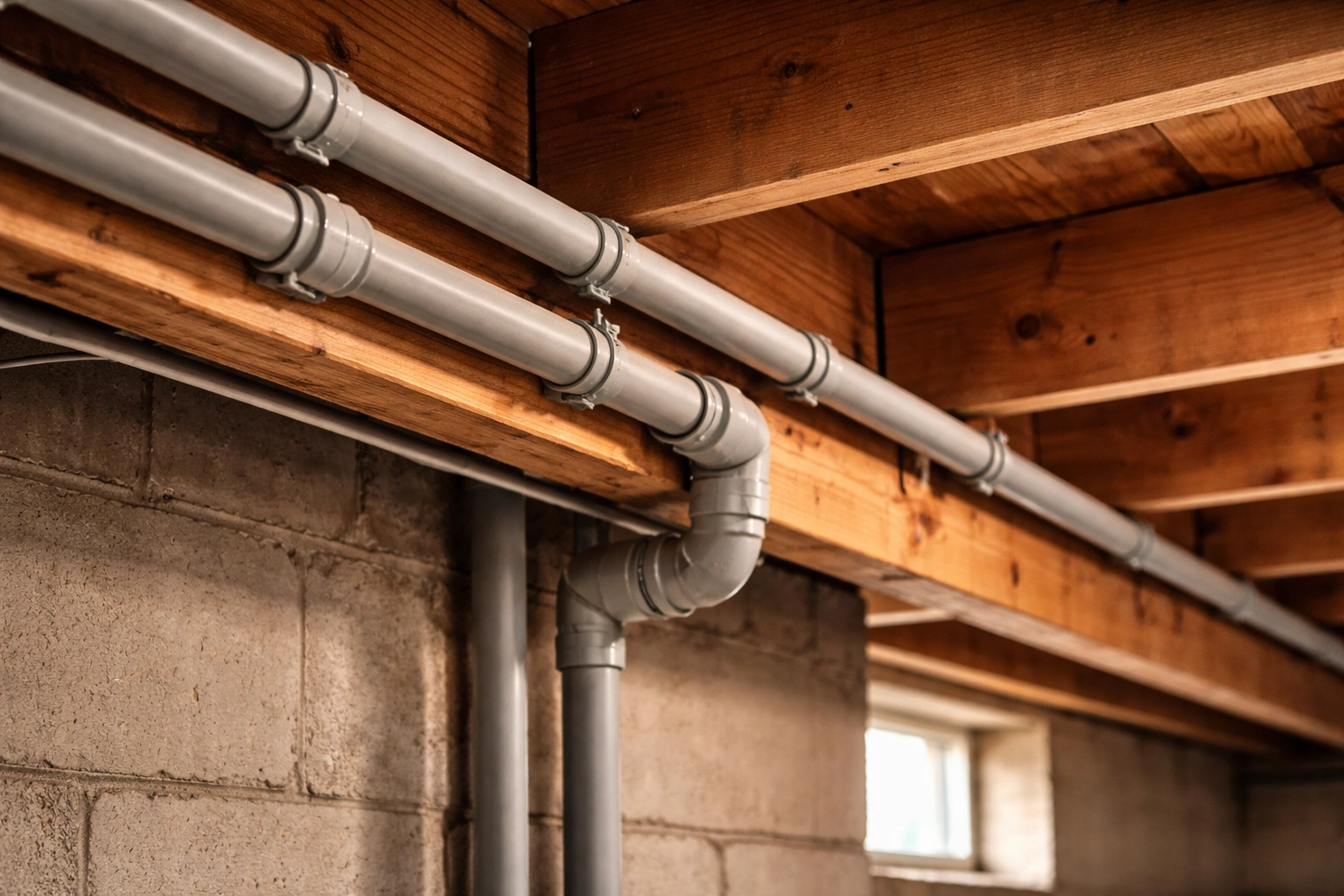
Polybutylene is a type of plastic resin that was used extensively for water supply piping in residential homes. You can usually identify it by its grey colour (though it can sometimes appear blue or black). The pipes typically range from half an inch to one inch in diameter and were often used for both hot and cold water lines throughout a home.
During the 1980s and 1990s, builders loved the stuff. It was cheaper than copper, flexible, and quick to install. For Calgary's booming housing market at the time, it seemed like the perfect solution.
Unfortunately, what nobody fully understood back then was how these pipes would react to the chemicals in our municipal water supply over time.
Why Poly B Pipes Fail
Here's where things get concerning. Poly B's biggest weakness is its chemical sensitivity to chlorine: the same chlorine that Calgary uses to treat our drinking water and keep it safe from bacteria.
Calgary's water contains chlorine levels between 0.80 and 1.87 mg/L. While that's perfectly safe for us to drink, it slowly reacts with the plastic resin in Poly B pipes, making them brittle over time. Add in a few other factors, and you've got a recipe for disaster:
Mineral content in the water accelerates degradation
Heat exposure from water heaters weakens the material
UV light from basement windows can cause damage where pipes are exposed
High water pressure puts additional stress on aging pipes
The timeline is pretty predictable. Poly B piping typically starts to leak around 10 to 15 years after installation. Most Calgary installations are now 25 to 35 years old, well beyond their expected lifespan. The tricky part? These pipes often degrade internally, where you can't see the damage until a significant leak or burst happens.
The Real Dangers to Your Home and Health
So what happens when Poly B pipes start to fail? Unfortunately, quite a bit.
Water Damage and Mold
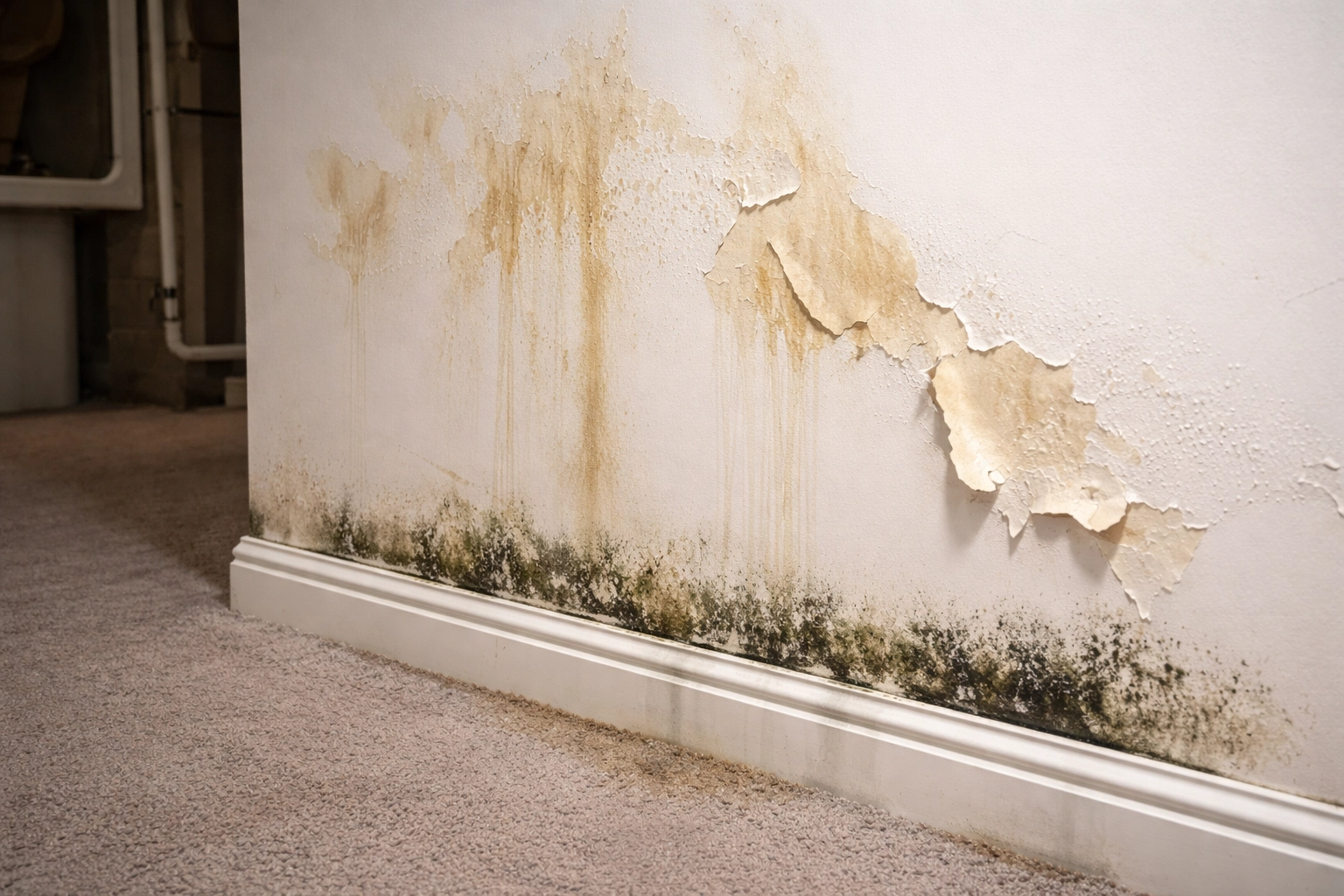
Hidden leaks can go undetected for months or even years. That moisture seeps into your walls, floors, and foundation, creating the perfect environment for mold growth. Mold can trigger allergies, aggravate asthma, and seriously impact your indoor air quality. And by the time you notice the musty smell or see visible mold, the damage is often extensive.
Potential Health Concerns
As Poly B pipes degrade, they may release chemicals into your water supply. While research is ongoing, some studies suggest this could potentially affect respiratory function and overall health: especially in homes with severely deteriorated piping.
Structural Damage
A sudden pipe burst can cause basement flooding, wall damage, and ruined flooring. We've seen Calgary homeowners deal with thousands of dollars in repairs because of a single Poly B failure. The water damage itself is bad enough, but the secondary issues: like warped subfloors and damaged drywall: can add up quickly.
Insurance and Resale Headaches
Here's something that catches a lot of Calgary homeowners off guard: insurance companies really don't like Poly B piping.
Many insurers will either:
Refuse coverage entirely for water damage related to Poly B
Charge significantly higher premiums when they know Poly B is present
Apply high deductibles to any Poly B-related claims
This isn't insurance companies being difficult: it's them recognizing a systemic risk. There was actually a $1 billion class action lawsuit in the United States that settled claims covering 320,000 homes with Poly B failures. The industry knows these pipes fail, and they price their policies accordingly.
When it comes time to sell your home, Poly B can be a major obstacle. Savvy buyers (and their home inspectors) will flag it immediately. You may find yourself facing lower offers, longer time on the market, or requests for a price reduction to cover replacement costs.
How to Check if Your Home Has Poly B
Not sure if you've got polybutylene piping? Here are a few ways to check:
Look near your water heater – this is often where Poly B is most visible
Check under sinks – you may see grey flexible piping connected to your supply lines
Inspect your basement – exposed pipes along ceiling joists are easy to identify
Review your home inspection report – if you have one from when you purchased, it may mention the piping material
If you spot grey plastic pipes with "PB" stamped on them, you've found polybutylene. When in doubt, we're happy to take a look during a consultation and help you figure out what you're working with.
The Solution: Professional Pipe Replacement
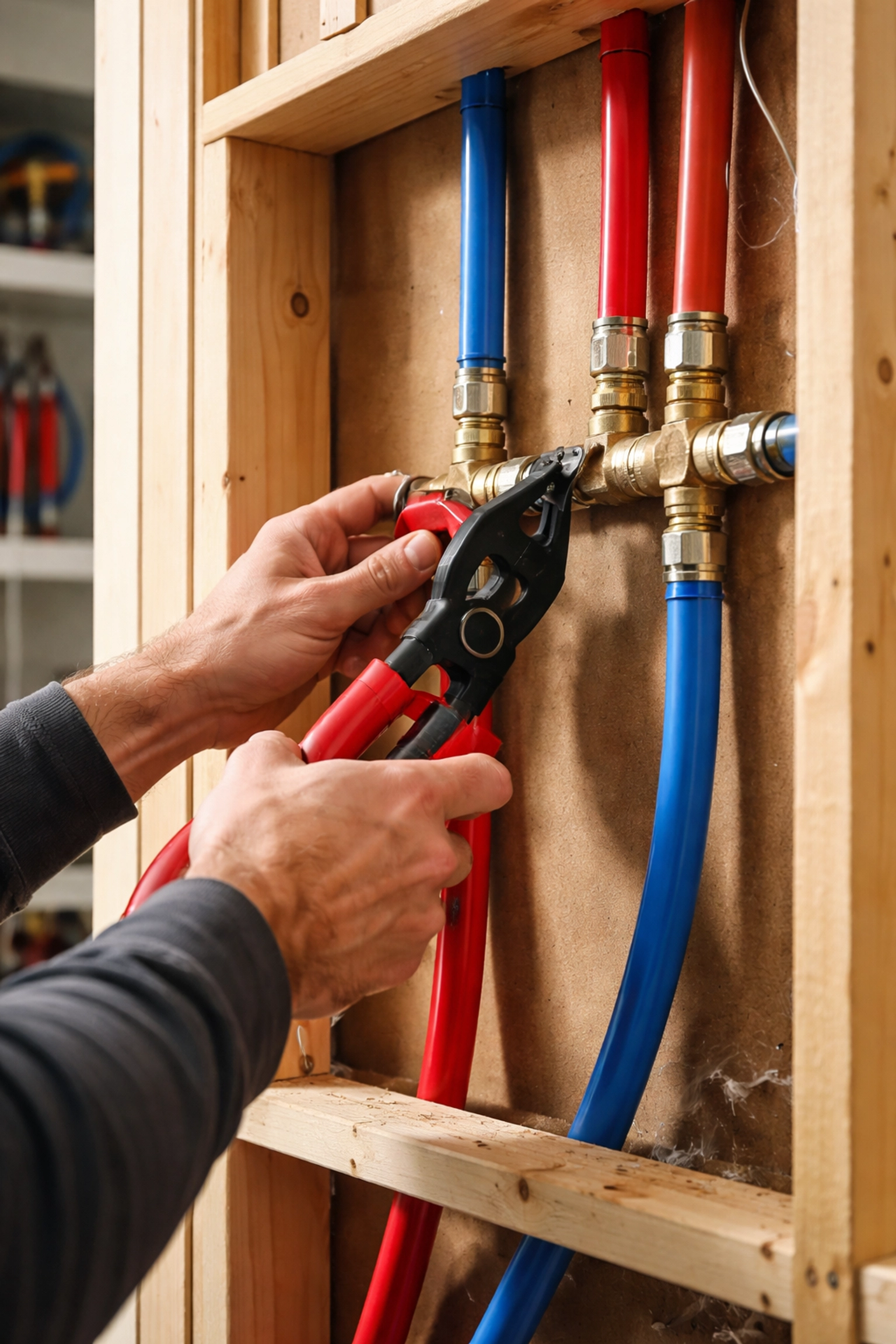
The good news? This is a fixable problem. The solution is a full pipe replacement with modern materials that won't degrade from our water supply.
The two most common replacement options are:
PEX (Cross-Linked Polyethylene)
PEX has become the go-to choice for most residential plumbing. It's flexible, durable, and resistant to the chemical sensitivity issues that plague Poly B. Modern PEX piping can serve your home reliably for decades without the same degradation concerns.
Copper
Copper is the traditional choice and still an excellent option. It's incredibly durable, resistant to bacteria, and has a long track record of reliability. It typically costs more than PEX, but some homeowners prefer it for its proven performance.
Both materials meet current Canadian plumbing codes and will satisfy insurance requirements.
How Phase 4 Construction Can Help
At Phase 4 Construction, we handle the renovation and repair side of Poly B replacement projects. We work alongside a certified plumber to ensure everything is done properly and up to code.
Here's how the process typically works:
Assessment – We'll evaluate your home to understand the scope of the project
Planning – We coordinate with a certified plumber to map out the repiping work
Access and Prep – Our team handles opening walls and ceilings where needed to access the old pipes
Repiping – The certified plumber replaces all Poly B with modern PEX or copper
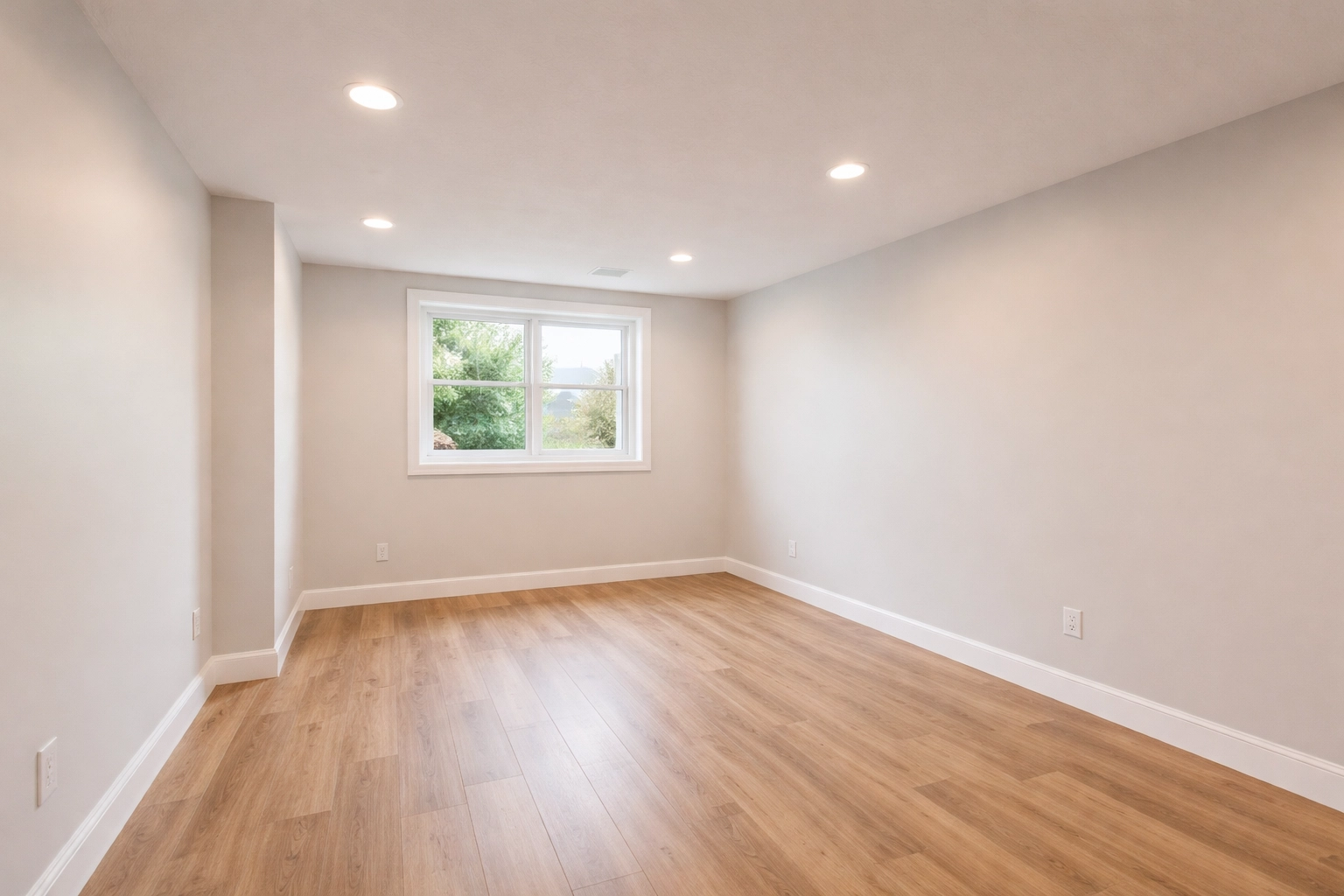
Restoration – We patch and finish all the drywall, paint, and any other affected areas
The benefit of working with us is that you get a complete solution. You're not left with open walls and a mess to clean up: we handle the full project from start to finish.
Don't Wait for a Failure
If your Calgary home has Poly B piping, we'd encourage you to address it sooner rather than later. Acting now protects your home's value, keeps your insurance in good standing, and prevents the headache of emergency repairs when a pipe inevitably fails.
We're here to help you make an informed decision about your home. If you're not sure where to start, reach out for a free quote and let's talk through your options together. No pressure: just honest advice from folks who've helped plenty of Calgary homeowners tackle this exact issue.
Let's get your home's plumbing sorted out the right way.

Comments